

نهج البلاغة
By
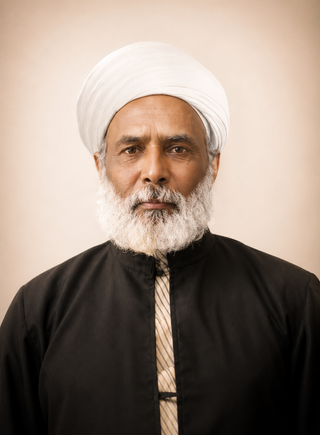
Muhammad ibn Abduh ibn Hasan Khayrallah Muhammad ibn Abduh ibn Hasan KhayrallahMuhammad Abduh was a pioneering Egyptian scholar, jurist, and reformer who played a central role in the intellectual revival of Islam in the late 19th and early 20th...View author →, Imam Ali ibn Abi Talib
 Imam Ali ibn Abi TalibImam Ali ibn Abi Talib (may Allah be pleased with him), the Prophet ﷺ's cousin and son-in-law, was the fourth of the Rashidun Caliphs and one of the...View author →
$17.95
Currently unavailable
Secure checkout — encrypted & protected
Free shipping over $50.
30-day returns.
Delivery within 48 hours.
Pairs well with
Save 15% on your 2nd book when you add any 2 to your bag
Publisher
Dar Al-Ghad Al-Jadeed Dar Al-Ghad Al-JadeedDar Al-Ghad Al-Jadeed is a renowned Arabic publishing house dedicated to preserving and disseminating the classical heritage of Islamic scholarship. Known for its high-quality Arabic editions of foundational works in hadith, fiqh, and Arabic...View publisher →
 Dar Al-Ghad Al-JadeedDar Al-Ghad Al-Jadeed is a renowned Arabic publishing house dedicated to preserving and disseminating the classical heritage of Islamic scholarship. Known for its high-quality Arabic editions of foundational works in hadith, fiqh, and Arabic...View publisher →
LanguageArabic
Pages640
ISBN9789773722241
More about نهج البلاغة
كتاب نفيس من خطب ومواعظ وأقوال ورسائل الامام على ابن أبى طالب رضى الله عنه والتى جمعها واختارها أبو الحسن محمد ابن الحسين المعروف بالشريف الرضى ... وهو كتاب محقق و مشكل وفيه شرح العلامة الامام محمد عبده حيث يتضمن من عجائب البلاغة وغرائب الفصاحة وجواهر العربية وثواقب الكلم الدينية والدنيوية ما لا يوجد مجتمعا فى كلام ولا مجموع الأطراف فى كتاب
About the authors
Reader reviews
نهج البلاغة
$17.95