Foretold: Muhammad in the Torah and Gospels
By
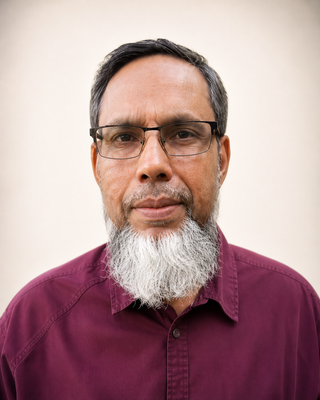
Ekram Haque Ekram HaqueEkram Haque is a Pakistani-American Muslim writer and journalist whose published works on the Prophetic biography for younger readers — particularly his accessible Muhammad: The Last Prophet biographical...View author →
Only 5 left — ships within 48 hours
Secure checkout — encrypted & protected
More about Foretold: Muhammad in the Torah and Gospels
The Qurʾān makes a categorical assertion — that the Prophet Muḥammad ﷺ was foretold in the Torah and the Gospel, and that those who received the earlier scriptures recognized him as instinctively as a parent recognizes their own child. This book takes that assertion seriously and examines it with intellectual rigor, historical care, and genuine respect for all three Abrahamic traditions.
Organized into three parts and fifteen chapters, the study moves from doctrinal foundations — Islam's veneration of Abraham, Moses, and Jesus — through close textual analysis of specific passages in the Hebrew Bible and New Testament, to a concluding section that situates the argument within modern scholarship and historical testimony. Key passages examined include Deuteronomy 18:18's promise of a prophet "like Moses," the Paraclete sayings in John's Gospel, Isaiah 42 and 52–53, Song of Songs 5:16, Habakkuk 3:3, and the geographic progression in Deuteronomy 33:2 from Sinai to Seir to Paran.
The book does not conceal its perspective — it presents the Muslim case clearly and substantively. It does so, however, while acknowledging Jewish and Christian readings of contested passages, engaging counterarguments seriously, and grounding every claim in textual, linguistic, and historical evidence. The book also addresses the critical question of scriptural transmission and what Muslims mean by taḥrīf — the corruption of prior scriptures — with nuance and fairness.
Audience and Purpose
This book is written for Muslim readers seeking a comprehensive and intellectually equipped presentation of this argument; for Jewish and Christian readers willing to examine Muslim scriptural interpretation on its merits; and for academic readers interested in how confessional scholarship can engage critical methods without abandoning theological commitments. It aspires to model the kind of interfaith engagement that acknowledges profound differences while insisting that serious, substantive conversation — rather than caricature or dismissal — is both possible and necessary.
About the author